

Silver Buying Guide
If you’re new to precious metals, this silver buying guide is designed just for you. Silver is one of the most affordable and accessible investment metals, making it especially attractive to beginners and everyday buyers. Unlike complex stocks or volatile cryptocurrencies, silver is tangible, easy to understand, and has been valued for thousands of years.
Whether you want to protect your savings, hedge against inflation, or simply diversify your portfolio, learning how to buy silver the right way is essential. This guide walks you through everything step by step—no jargon, no pressure, just clear and friendly advice.
What Is Silver and Why Do People Buy It?
Silver is a precious metal used in currency, jewelry, electronics, medicine, and renewable energy. Unlike gold, silver has strong industrial demand, which can influence its price significantly.
Key Reasons People Buy Silver
Acts as a hedge against inflation
Lower entry cost compared to gold
High industrial and technological demand
Tangible asset you can physically own
Portfolio diversification
Silver often performs well during economic uncertainty, making it appealing for cautious investors.
Types of Silver You Can Buy (Beginner-Friendly Breakdown)
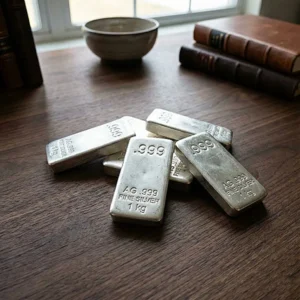
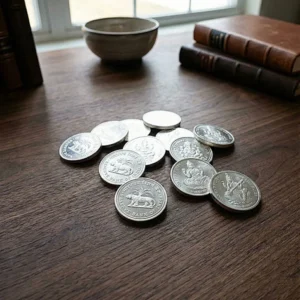
Understanding the different forms of silver is the foundation of any solid silver buying guide.
1. Silver Bars / Biscuits (Best for Investment)
Most popular investment option in India
Available in 10g to 1kg
Purity: 999 fine silver
Lowest making charges
Better than US bars because brand doesn’t matter much
2. Silver Coins (Gifting + Investment)
Privately minted (Lakshmi, Ganesh, OM, etc.)
Popular during Diwali, weddings
Purity: 999 / 999.9
Higher making charges than bars
Unlike US coins, not legal tender
3. Silver Jewellery (Not for Investment)
Very common in India (anklets, chains, rings)
Usually 92.5% (Sterling Silver)
High making charges
Low resale value
Better for use, not wealth storage
4. Silver Utensils & Articles (Traditional Use)
Plates, glasses, idols, pooja items
Considered auspicious
Purity varies
High making charges
Rare in the US, common in India
5. Silver ETFs & Digital Silver (Modern Option)
Bought via stock market or apps
No storage issues
No physical possession
Growing trend in India
Similar to US ETFs
Silver Purity Explained (Simple Terms)
Silver purity is measured in fineness.
| Purity | Meaning |
|---|---|
| .999 | 99.9% pure silver |
| .9999 | Investment-grade silver |
| .900 | Common in junk silver |
👉 Beginner tip: Always choose .999 fine silver for investing.
How Silver Prices Work
Silver prices are based on the spot price, which changes constantly.
What Affects Silver Prices?
Inflation and interest rates
Industrial demand
Currency strength
Market speculation
Global economic uncertainty
Final price = Spot price + Premium
Premiums cover minting, distribution, and dealer profit.
How Much Silver Should Beginners Buy?
Start small and scale up.
Recommended Beginner Strategy
Begin with 10–50 Grams
Buy consistently (monthly or quarterly)
Avoid trying to time the market
📌 Indian Rupee-cost averaging helps reduce risk.
Where to Buy Silver Safely
Best Places to Buy
Reputable online bullion dealers
Local coin shops
Precious metals marketplaces
What to Avoid
Auction sites with unclear authenticity
Social media sellers
Deals “too good to be true”
🔗 External resource for price tracking: https://ibjarates.com/
How to Spot Fake Silver
Beginners should stay alert.
Simple Authenticity Checks
Magnet test
Weight and dimensions
Ping test
Buy from trusted dealers
If unsure, always request certificates or third-party verification.
Storing Your Silver Safely
Storage Options
Home safe
Bank safe deposit box
Professional vault services
| Storage Option | Pros | Cons |
|---|---|---|
| Home Safe | Immediate access | Theft risk |
| Bank Box | Secure | Limited access |
| Vault Service | Fully insured | Storage fees |
Tax Considerations for Silver Buyers
Taxes vary by location.
Some states charge sales tax
Capital gains tax may apply when selling
Keep purchase receipts
📌 Always consult a local tax professional.
Common Beginner Mistakes to Avoid
Buying collectible silver without experience
Overpaying premiums
Not comparing dealers
Ignoring storage planning
Panic buying during price spikes
This silver buying guide exists to help you avoid these pitfalls.
Is Silver a Good Investment Compared to Gold?
| Factor | Silver | Gold |
|---|---|---|
| Entry Cost | Lower | Higher |
| Volatility | Higher | Lower |
| Industrial Use | High | Low |
| Storage | Bulkier | Compact |
💡 Many investors hold both for balance.
Silver Buying Checklist (Quick Reference)
✔ Choose .999 fine silver
✔ Start with small quantities
✔ Buy from reputable dealers
✔ Understand spot price & premiums
✔ Plan storage in advance
✔ Keep records for taxes
FAQs – Silver Buying Guide for Beginners
1. Is silver a safe investment for beginners?
Yes. Silver is tangible, widely traded, and easier to understand than many financial assets.
2. Should I buy silver coins or bars first?
Coins are easier to resell; bars offer better value for bulk buying.
3. How much silver should a beginner start with?
Most beginners start with 5–10 ounces and build gradually.
4. Can silver lose value?
Yes, prices fluctuate short term, but silver holds long-term value.
5. Is silver better than stocks?
Silver is not a replacement but a diversification tool.
6. When is the best time to buy silver?
Regular buying over time is better than trying to time the market.
Conclusion: Final Thoughts on This Silver Buying Guide
This silver buying guide gives beginners a clear, confident path into silver investing. Silver isn’t about getting rich overnight—it’s about protecting wealth, diversifying assets, and building long-term security.
Start small, stay informed, and buy consistently. Over time, silver can become a powerful part of your financial strategy.